
RADIO INTEROPERABILITY SYSTEM
Radio Interoperability Gateway
The StackIOT Radio Interoperability Gateway (RIG-4 Series) is a professional-grade communication integration platform designed to interconnect legacy radios, IP networks, smartphones, video systems, and computers into a single, unified environment.
It enables real-time voice, data, and situational awareness sharing between heterogeneous communication systems, making it ideal for public safety, industrial operations, logistics, utilities, transportation, and disaster response.
System Key Features
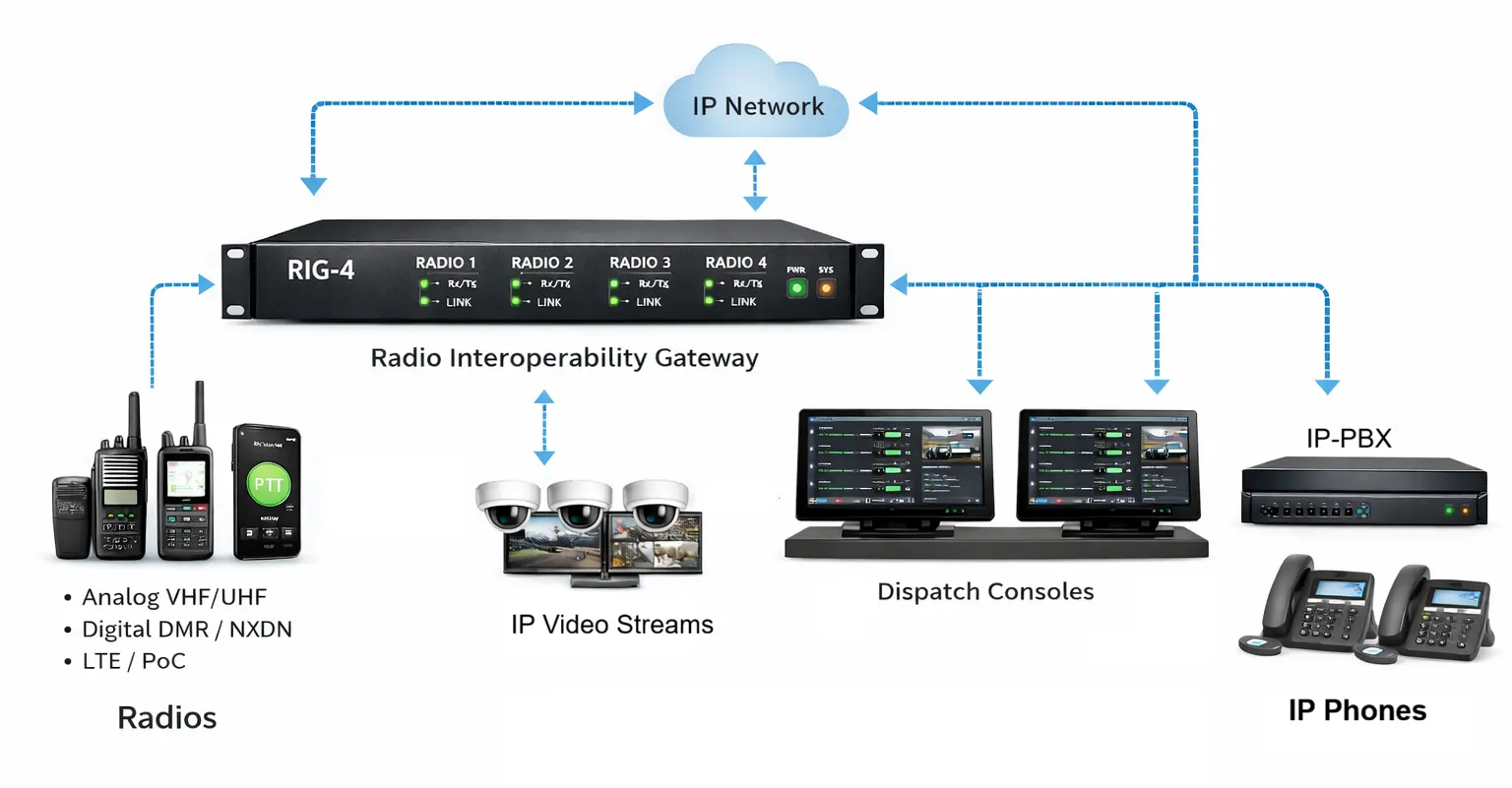
The Radio Interoperability System provides a single communication backbone that interconnects:
Radios ↔ IP Network ↔ Smartphones ↔ Dispatch Consoles ↔ Video Systems ↔ IP-PBX
All users operate through a single unified control platform.
- Multi-radio input channels
- Radio, computer, ip-pbx, video & smartphone interworking
- Secure IP networking
- Remote radio control
- Multiple talk-groups
- Audio Recording and playback
- Remote control Tone signaling
- Independent de-centralized system
- Chat groups & logging
- Modular, scalable & interoperable
Hardware Architecture
The Radio Interoperability System (RIS) is built on a robust two-component architecture to ensure reliability, scalability, and seamless integration across multiple communication platforms.
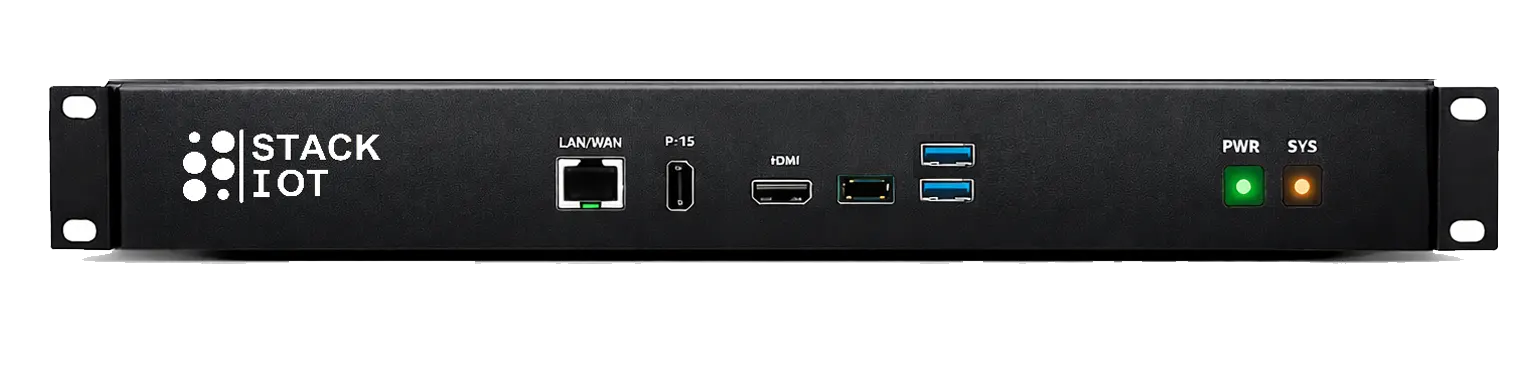
Master Control Unit (MCU)
Hosts the complete system software
Call routing and control logic
User, group, and security management
IP integration with smartphones, consoles, IP phones, video, and PBX
Logging, recording and analytics
Radio Gateway Unit (RGU)
Physical interface to four radio systems
Audio, PTT, COR, and control signaling
Converts radio signals to IP streams
Handles real-time radio keying and channel contro
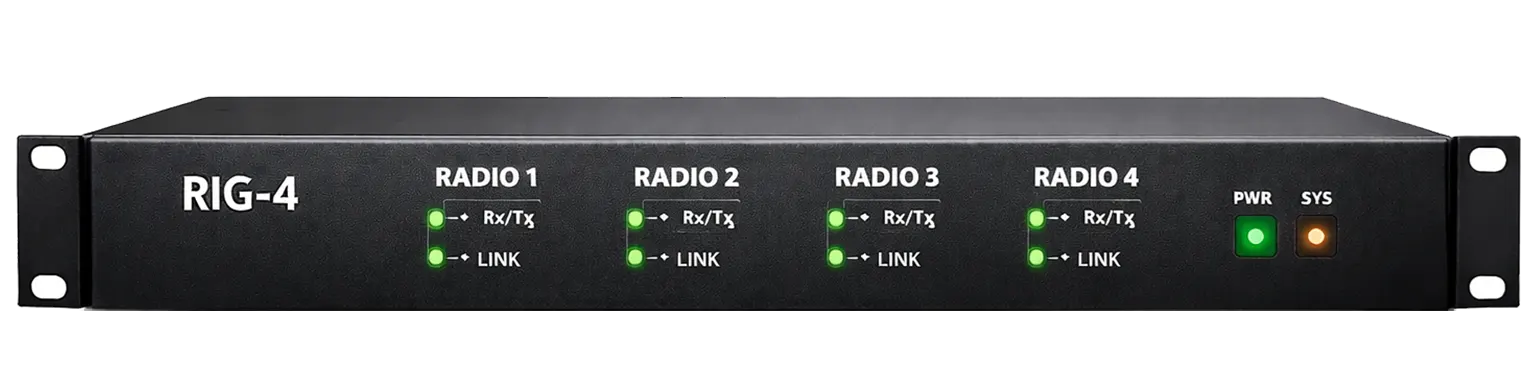
Each Radio Interoperability System (RIS) will have one Master Control Unit (MCU) and atleast one Radio Gateway Unit (RGU). Additional RGUs can be seamlessly added to expand the system and support a higher number of radio interfaces as operational requirements grow.
System Architecture Diagram
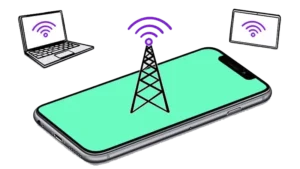
Smartphone & Cellular Connectivity
Push-to-Talk mobile app for smartphones
Secure IP connectivity
Seamless cross-patch to radios
SIP Client Extensions to IP-PBX
Radio Call Patching with cellular phones, ip-phones
Auto-call pickup and patching

Chat & Messaging
Multi-user chat groups
Text + Status messages
Logged & auditable
Operational coordination
Independent of RF channels

Modular & Scalability
Modular radio ports
Independent de-centralized system
Multi-site System connectivity (RWAN)
Remote Management & Control
Multi-user concurrenrt access
Scalable System for additional inputs
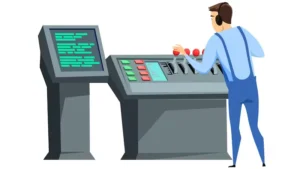
Dispatcher & User Console
One-click PTT & channel patching
Drag-and-drop talk group creation
Visual channel activity & alarms
Integrated IP video window
Chat group & text coordination
Call logs, recording & playback
Permission-based user access
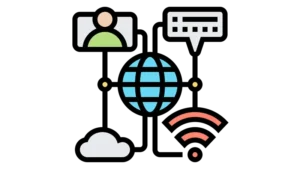
Unified Communication Layer
Supports multiple radios per gateway
Expandable radio ports
Compatible with analog, digital, trunking and military radios
Radio to smartphone communication
Radio to IP phone calls (IP-PBX)
Radio to dispatch console patching
IP Video Feed Integration
Multi-user concurrent operation

Remote Radio Control
Channel selection and radio keying
Tone-based remote control
User-configurable control tones
Supports multiple radio models